Coffee Maker Reviews, Troubleshooting & Buying Guides
CoffeeMakerUSA helps coffee-machine owners choose, use, maintain and troubleshoot their brewers. Find model-specific troubleshooting, cleaning and descaling guidance, buying comparisons and research-based product information for popular coffee makers.
Start with the machine or task in front of you: fix a brewer that stopped working, learn the correct maintenance process, or compare coffee maker types before you buy.

What do you need from your coffee maker today?
Go directly to troubleshooting, buying advice or maintenance instead of searching through unrelated content.
Troubleshoot a Coffee Maker
Diagnose no-brew, partial-brew, weak water flow, descale problems, blinking indicators and other machine-specific symptoms.
Browse troubleshooting →Choose the Right Coffee Maker
Compare brewing method, capacity, counter space, daily convenience, maintenance and recurring costs before you buy.
Explore buying guides →Use, Clean & Maintain
Learn daily operation, cleaning, descaling and routine maintenance for popular coffee machines.
Read coffee maker guides →Fix the symptom before replacing the machine
A coffee maker that stops brewing can have very different causes. The reservoir may not be seated correctly, mineral scale may restrict water flow, a needle or brew path may be clogged, air may enter the system, or the brewer may be waiting for a model-specific maintenance cycle.
A machine that powers on but will not move water should not be diagnosed the same way as a brewer with no power at all. Indicator lights, descale modes, reservoir sensors and button combinations can also change between generations, so the exact model name matters.
Choose by how you brew, not by the longest feature list
A coffee maker can have impressive specifications and still be the wrong machine for your routine. A single-serve brewer may suit one fast morning cup, while a larger drip coffee maker makes more sense for a household that regularly fills a carafe. Espresso machines can offer more control, but they also introduce additional cleaning, accessories and technique.
Look beyond purchase price. Pods, paper filters, water filters, descaling solution and replacement accessories can change the true cost of ownership. Counter space, reservoir access and how easily removable parts can be washed often matter more in daily use than another strength setting or specialty button.
Four questions to answer before you buy

Keurig K-Classic Single Serve K-Cup Pod Coffee Maker
As an Amazon Associate we earn from qualifying purchases.
Different machines solve different coffee routines
Start with the brewing method to find guides that match the kind of machine you own or want to buy.
Useful guides without turning the homepage into a post feed
These pages cover a high-value troubleshooting task and several common buying questions.
How to Descale a Keurig K-Express Essentials
The original K-Express Essentials and Gen 2 use different controls for descaling. This guide separates the procedures and includes the required fresh-water rinse so owners can follow the process for the machine they actually have.
Read the Descaling Guide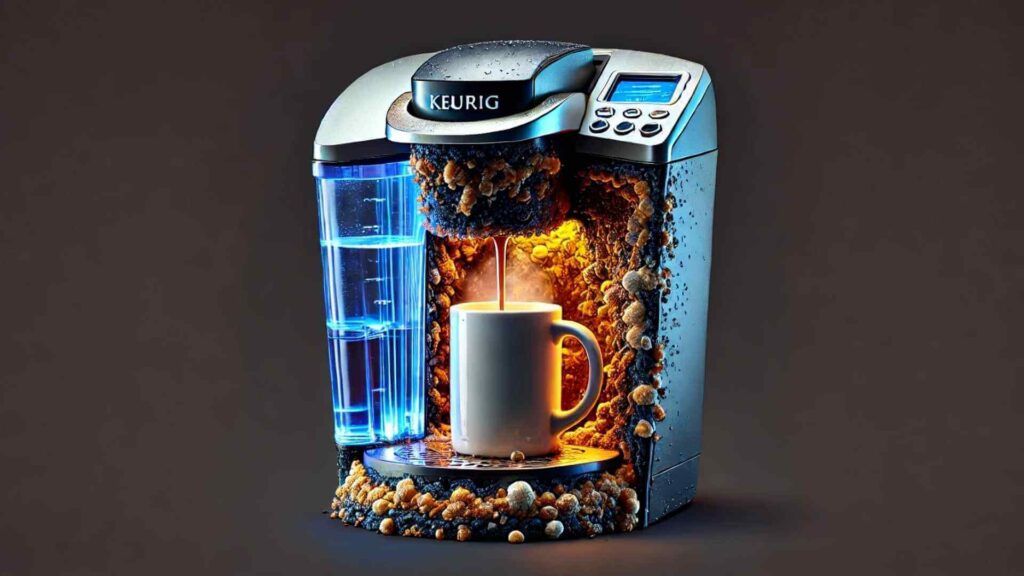
Keep the water system and removable parts maintained
Coffee residue and hard-water minerals can affect how a brewer operates. Routine cleaning removes residue from accessible coffee-contact parts, while descaling is intended to remove mineral deposits from the internal water system.
The correct procedure can vary by model, especially when a brewer uses a dedicated descale mode or button sequence. Water hardness and usage can also change how quickly scale develops, so manufacturer instructions are more useful than assuming one universal maintenance schedule fits every machine.
Useful guidance should be clear about what it is based on
CoffeeMakerUSA is edited by Xeeshan and focuses on coffee-machine ownership: choosing a brewer, understanding how it works, maintaining it and troubleshooting common problems.
When a procedure depends on a specific machine, manufacturer instructions and model documentation are important reference points. Product specifications and controls can change, so current information should be checked before buying or following a model-specific maintenance procedure.
Research-based product analysis is also kept separate from genuine hands-on testing. If a product has not been personally used for a review, the page should not imply that it has.
Coffee maker questions before and after buying
What type of coffee maker is best for everyday home use?
Why does my coffee maker turn on but not brew?
Is cleaning a coffee maker the same as descaling it?
How often should a coffee maker be descaled?
What should a beginner look for when buying a coffee maker?
Fix the machine you own or choose the one that fits you
CoffeeMakerUSA is organized around the two decisions that matter most: solving a problem with your current brewer and making a better choice when it is time to buy.