Polycystic Ovary Syndrome (PCOS) affects millions of women worldwide and can disrupt hormones, metabolism, menstrual cycles, and weight management. Naturally, many women with PCOS ask: “Can I drink coffee?” With coffee being one of the most consumed beverages globally, understanding its impact on PCOS — especially if you’re managing insulin resistance, weight, or irregular periods — is important for daily life and long‑term well‑being.
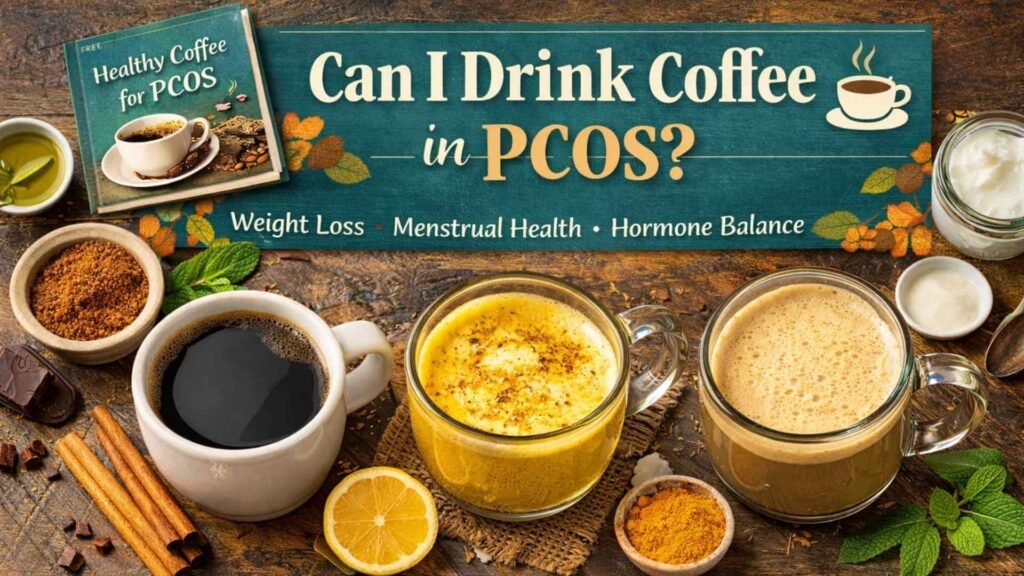
Is It Safe to Drink Coffee in Polycystic Ovary Syndrome?
Yes — most women with PCOS can drink coffee in moderation. Scientific research suggests that moderate coffee consumption (usually 1–2 cups a day) may support insulin sensitivity, help with weight management, and possibly reduce PCOS risk when consumed thoughtfully.
However, excessive caffeine, sugary add‑ins, or late‑day consumption may worsen sleep and hormonal imbalance. Personalized approaches — including black coffee, plant‑milk alternatives, or decaf — are ideal depending on symptoms and individual tolerance.
What PCOS Is & Why Coffee Matters
Understanding PCOS
PCOS is a hormonal disorder characterized by irregular periods, high male hormones (androgens), ovarian cysts, and insulin resistance. These factors contribute to weight gain, infertility, acne, fatigue, and metabolic issues.
Why Coffee & PCOS Is a Hot Topic
Coffee contains caffeine, antioxidants, and other bioactive compounds that may influence insulin, hormones, stress responses, and metabolism — all key players in PCOS. Yet the effects are complex and individual.
Can Coffee Help With PCOS? Detailed Breakdown
Black Coffee for PCOS Weight Loss
Why Black Coffee Can Be Beneficial
- Low in calories: ~2 kcal per 8‑oz cup.
- Boosts metabolism: Caffeine can increase metabolic rate and fat oxidation.
- Insulin activity: Some studies link coffee compounds to improved insulin sensitivity over time.
How It Supports Weight Loss
- Increases energy expenditure slightly.
- Appetite suppression in the short term.
- Works best before exercise or as part of a balanced diet.
⚠️ Tip: Avoid sugar and high‑calorie creamers, which can negate benefits and worsen insulin resistance.
| Benefit | How It Helps |
|---|---|
| Low Calories | Helps avoid insulin spikes |
| Caffeine Boost | May promote fat oxidation |
| Antioxidants | Supports metabolic health |
Black Coffee & Menstrual Health in PCOS
Can Coffee Help You Get Periods?
There’s no direct evidence that black coffee alone will induce menstruation. However:
- Some research shows coffee consumption may influence hormones like sex‑hormone binding globulin (SHBG), potentially improving hormone balance.
- A large study found women who drank coffee had a lower odds of having PCOS features — which could suggest improved hormonal profiles.
⚠️ Caffeine can also increase cortisol (stress hormone) which, if excessive, might disrupt menstrual regularity.
Types of Coffee & What’s Best for PCOS

Black Coffee vs Milk Coffee for PCOS
| Coffee Type | Benefits | Cautions |
|---|---|---|
| Black Coffee | Low calories, antioxidants | Potential sleep disturbance if too much caffeine |
| Milk Coffee (Dairy) | Creamy, may reduce acidity | Dairy can affect hormones in some women |
| Milk Coffee (Plant Milk) | Lower glycemic impact | Choose unsweetened options |
| Decaf Coffee | Less caffeine, preserves antioxidants | Mild metabolic effects |
Milk Coffee Tips
- Unsweetened almond, oat, or coconut milk are better PCOS choices than sugary lattes.
- Dairy‑sensitive individuals may prefer plant milk to avoid insulin or hormonal disruptions.
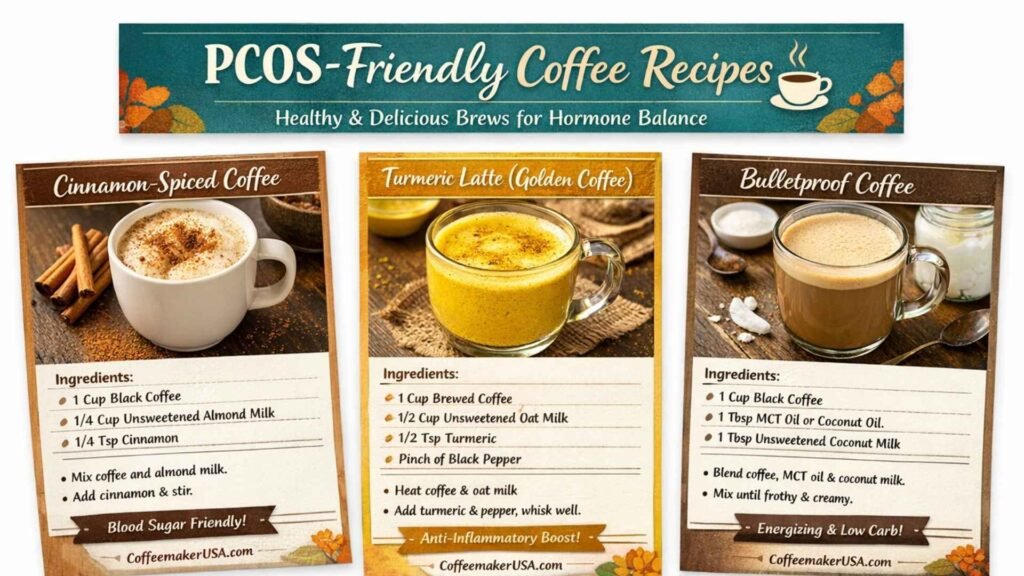
PCOS‑Friendly Coffee Recipes
1. Cinnamon‑Spiced Coffee
✔️ Cinnamon may support blood sugar stability.
Ingredients:
- Black coffee
- Unsweetened almond milk
- Pinch of cinnamon
2. Turmeric Latte (Golden Coffee)
✔️ Turmeric’s anti‑inflammatory curcumin may benefit PCOS symptoms.
Ingredients:
- Brewed coffee
- Unsweetened oat milk
- Turmeric & black pepper
3. Bullet Coffee (Healthy Fats)
✔️ Adds stable energy without sugar crash.
Ingredients:
- Black coffee
- MCT oil
- Unsweetened coconut milk
Best Morning Drinks for PCOS (Beyond Coffee)
If coffee isn’t suitable for your PCOS symptoms, consider:
- Spearmint tea – may help reduce androgen levels.
- Green tea – gentle caffeine with antioxidants.
- Dandelion root tea – supports liver and detox pathways.
- Golden milk – turmeric benefits for inflammation.
These drinks provide energy and hormone support without strong caffeine stimulation.
Coffee & Caffeine: Risks for PCOS
Potential Negative Effects
- Sleep disruption: Caffeine can delay sleep, worsening hormonal symptoms.
- Cortisol increase: High caffeine may elevate stress hormones.
- Blood sugar impact: Coffee with sugar or syrups can spike insulin.
Moderation is vital. Stick to 1–2 cups/day and avoid coffee after early afternoon to minimize sleep disruption.
FAQ – Coffee & PCOS
Can women with PCOS drink coffee every day?
Yes — but moderation matters. Aim for 1–2 cups in the morning with food to reduce insulin spikes.
Does coffee affect insulin resistance in PCOS?
Coffee has mixed effects: caffeine can temporarily reduce insulin sensitivity but antioxidants in coffee may improve long‑term metabolic health.
Will coffee help me lose PCOS weight?
Coffee may slightly increase metabolism and fat oxidation, but exercise and balanced diet remain essential.
Is black coffee better than milk coffee?
Yes — black coffee or coffee with unsweetened plant milk is better than sweetened, high‑calorie drinks.
Can coffee help regulate periods in PCOS?
There’s no guarantee, but some research shows a link between coffee consumption and improved hormone profiles.
Should I avoid coffee at night?
Yes — caffeine close to bedtime can disrupt sleep and exacerbate PCOS symptoms.
Is decaf coffee good for PCOS?
Decaf provides antioxidants without caffeine’s stimulating effects, making it a gentle alternative.
Can coffee worsen PCOS symptoms?
Excessive caffeine and sugary coffee drinks can negatively affect sleep, stress, and insulin balance.
Are coffee alternatives better?
Herbal and non‑caffeinated drinks like spearmint or golden milk may provide hormone balance without caffeine concerns.
How do I choose PCOS‑friendly coffee?
Choose black or lightly spiced coffee, unsweetened plant milk, and avoid sugar and syrups.
Coffee isn’t inherently bad for PCOS — and for many, moderate consumption can be part of a healthy lifestyle. Black coffee may support weight management and metabolic health, while mindful preparation (avoiding sugar and high‑fat add‑ins) is key. Everyone’s body reacts differently, so monitoring your symptoms and consulting healthcare professionals when needed is essential. Coffee, when enjoyed thoughtfully, can remain a comforting morning ritual even with PCOS.



0 Comments